Fill out my online form.
Depression
“What did depression
feel like?”
the counselor asked me.
“It felt…
meaningless.” I responded.
When
There are things
we consider
unimportant
that becomes important
when the context changes.
For example
when I have a deadline,
I don’t care what I eat.
I may simply eat some ramen noodles
and instead spend the time travelling back-and-forth to a restaurant
on doing the work.
But if I have already made the effort to get to a restaurant,
the quality of the food
becomes important.
So it’s inaccurate to judge someone as
not caring about the quality of food,
because they do care
when the context is a certain way.
Rumination
When we hyperfocus on something
anxiety-inducing
the weight of it makes it difficult
for us to do anything else
in these cases,
it’s important to take the long-term
what arey ou ultimately trying to do
by making progress on the subject of rumination
you may realize this is not as important
in which case the weight lessen
and you make room to do others things
more important
not that you won’t do it,
but you’ll do it with greater ease.
Antidote to Uncertainty
Confronted
with a table saw
whirring its blade,
what one may realize
is that to navigate
uncertainty
need not require
certainty
but may be
clarity.
uncertainty -> stall -> hesitation – > stuck -> imobile
There is no certainty
that we may not get injured
by the table saw,
and yet we proceed
so long as we can see
clearly.
Solitude vs Loneliness
There are times
when the distinction between us
and others,
seem to explain why
we are unworthy
of respect.
There are also times
when the distinction
between us
and others,
seem to explain why
we are worthy
of respect.
In the former,
the distinction creates isolation,
while in the latter
For Others
What we claim to do
“for” others
is often not
for them,
but for our
selves.
Actually,
it is not accurate to say
that it is for ourselves,
either.
It is more accurate to say
that it is for an image
of who we believe
we must be
to not be judged
as someone whom
we do not wish
to be judged as.
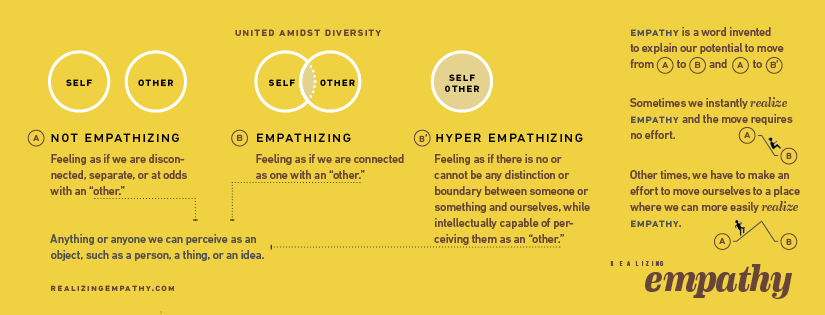
Having vs Realizing Empathy
Having empathy
is fine
if what you have
is what you need.
Realizing empathy
is necessary
when what you have
is not what you need.
Having vs Acquiring a Choice
People say
“You always have
a choice!”
No.
You always have
options.
You don’t always have
a choice.
Choices
sometimes have to be acquired
through learning,
discovering,
or creating.
The Moment
There is a moment
when someone who judged leaders
for being unworthy
faces a challenge where they themselves feel
like they have no other choice,
but to become just like them.
At this juncture, we can judge
that we have no choice,
or we can perspective we need
that will allow us to see the situation
in a different way,
where we discover or create choices
we did not know
we had
Answers
“I want answers!”
he shouted,
in frustration.
“…”
“Did you hear me???”
he lowered his voice.
“I
want
answers!”
he shouted again.
“I have no answers.”
a response came back.
He stared at me,
breathing heavily.
“All I can do
is help you discover
what it is
you’re willing to take
responsibility for.”